This summer, I read Unreasonable Hospitality by Will Guidara. The book is wildly popular, but for those who haven’t read it, its premise is that there is remarkable power in giving people more than they expect. One quote still gives me pause, and I find myself returning to it throughout my days: “Their perception is our reality.”
It is easy for me to relate that idea to about a million things in my adult world. I imagine you, too, are flashing back to interactions where this quote applies. Recently, though, I started thinking about it in terms of children.
Our evenings are absolutely crazy in my house. It is what happens with three kids, two parents, and the age span we have. A ninth grader and a seventh grader have activities on an older-child schedule, including practices that end at 9:30 in West Chester and 9:30 in Bear… on the same night. And then there is a second grader with second-grade activities. During the week, the five of us are passing ships in the night, along with our saving-grace babysitter.
This week, we all hit a wall. We were tired and overscheduled. Lyla began sharing what I can only describe as our parental disapproval ratings.
“You are never home. You are always at work. I haven’t seen my brother and sister in weeks. You don’t make me dinner anymore. Nobody ever comes to my field hockey. I haven’t snuggled my dog in forever.”
And the list of transgressions went on and on and on.
Sigh.
I tried explaining that she sees me every night when I put her to bed. I reminded her that she rides to school every morning with her brother and sister. I listed all of the food I had provided her that week.
She was having none of it.
Then that quote struck me: “Their perception is our reality.”
In that moment, the million things I had done to take care of this child couldn’t explain away what she was feeling. What I heard underneath her complaints was, “I haven’t felt like a priority this week.”
Heart on the floor.
I stopped explaining away the week. I quietly said I was sorry and that I would try to do better. And then, because I am still me, I went looking for some research to understand what on earth was happening.
I turned to Yardsticks, in which educator and author Chip Wood describes common developmental patterns by age. I flipped right to the seven-year-old section and found some reassuringly familiar descriptions.
Seven-year-olds often turn inward and can be moody or sulky. They need security and structure and rely on adults for help and frequent reassurance. They can be conscientious and serious, with strong likes and dislikes. Their feelings need tender care, as feelings of inferiority can become overwhelming. Seven is an age of intensity. Reading that, I could see my own seven-year-old so clearly.
Of course, children develop at their own pace. But reading those descriptions helped me take a breath and understand why a week that felt hectic to me might have felt especially unsettling to her.
I had spent time with Lyla every day. I had, indeed, fed her. And she was still missing us. Both things could be true. Her words were giving me a glimpse of how the week had felt from her place in our family.
Perhaps we can revisit some of those sweeping statements when she is feeling more settled. For now, I want to be more intentional about the moments we do have together and give her something she can count on in the middle of the crazy.
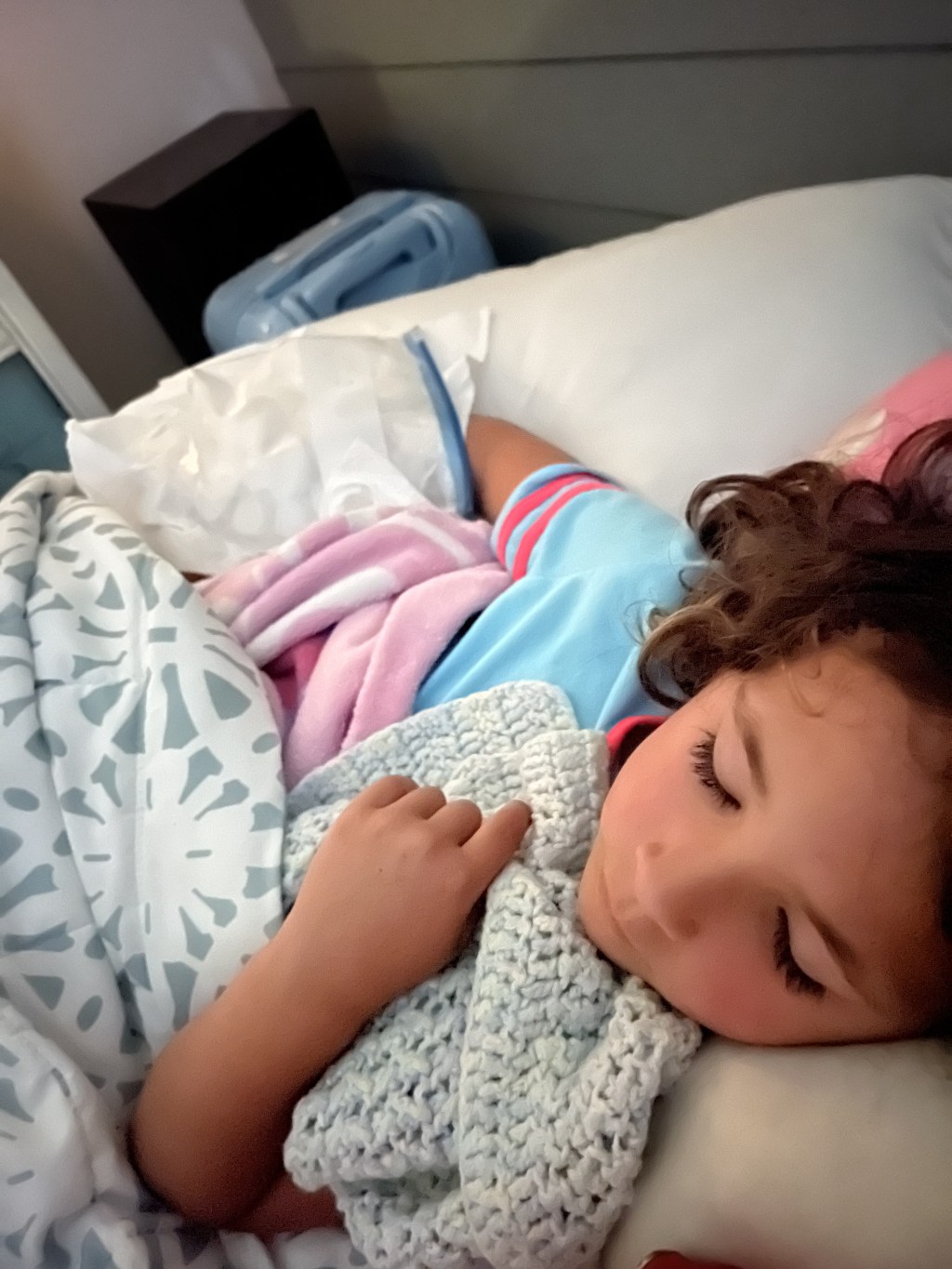
At bedtime, I will tell her how lucky I feel to end my day snuggled beside her. I will make a big deal out of whatever family dinner we can scrape together, even if only some of us are around the table. I will close my laptop and say, “I’m putting work away so we can play a game.” If I need to return to it after she is asleep, I can.
I suspect many of us have had a version of this conversation. We are working, driving, feeding, planning, and loving our children through all of it. Sometimes, in the middle of everything we are doing, they need us to pause long enough to hear how it feels to be them.
This summer, Guidara gave me a sentence I couldn’t stop thinking about. This week, Lyla gave me a reason to live it a little more carefully.
In the middle of all the coming and going, our children need to feel how much we want to be with them. A few minutes of undivided attention, an invitation to play, a little longer beside them at bedtime; these are small moments that carry a big message: “You are someone I look forward to. I am so glad I get to be here with you.”
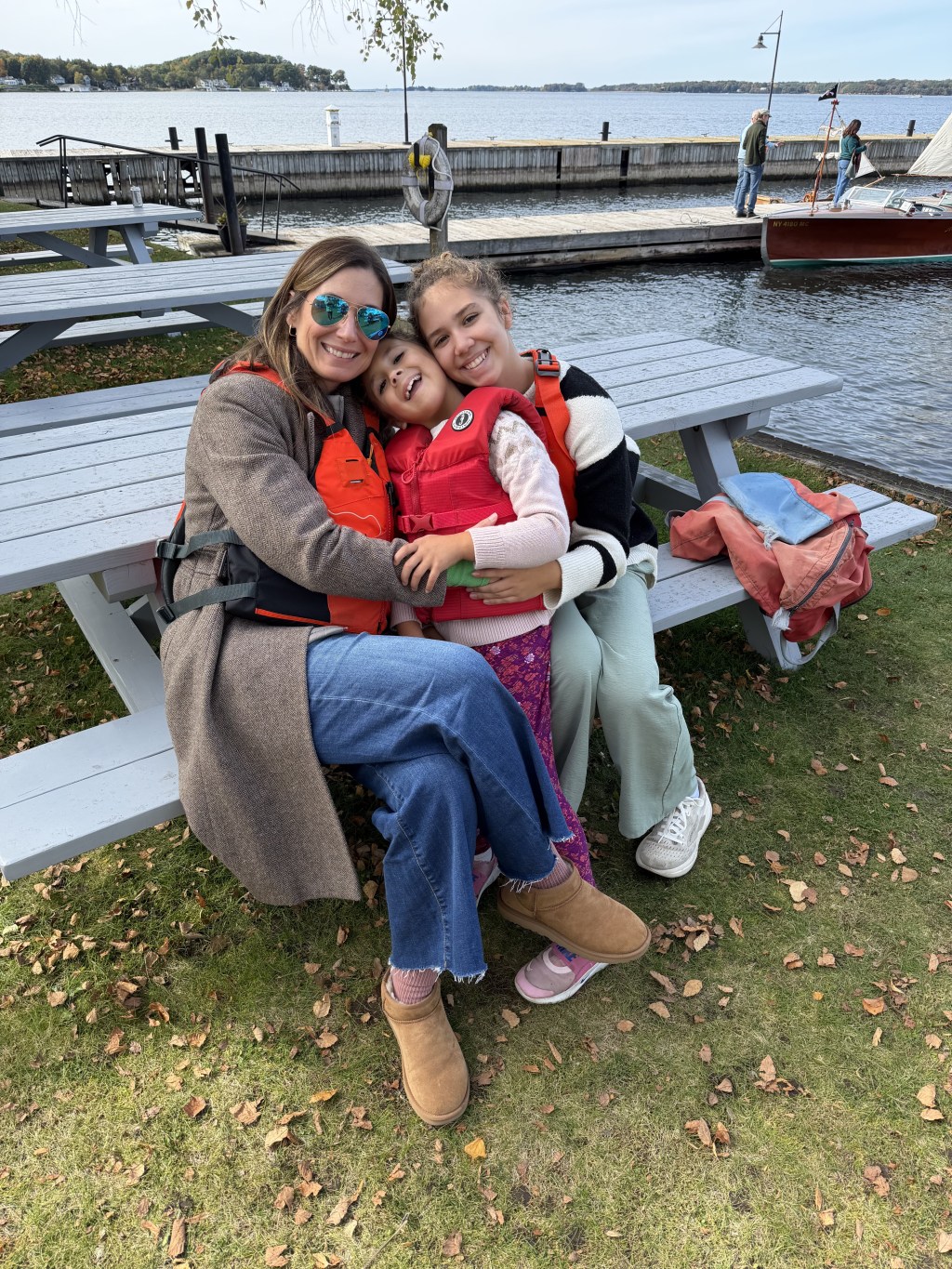
*Picture proof that she was indeed happy and with her family this week 😂





Leave a Reply