Every year around this time, I can almost feel the collective exhale begin.
The lunches are limping to the finish line. The backpacks have become archaeological digs. The pencils are either missing, broken, or somehow sticky. The calendar is full of ceremonies, field days, end-of-year celebrations, and the kind of special events that make May feel both magical and completely unhinged.
And then, just when we are all ready to collapse into summer, schools send home summer work.
I know.
As a parent, I understand the feeling. There is a part of me that wants to close the backpacks, throw away every unidentifiable paper in the bottom, and declare our home an academic-free zone until August. Children need summer. Families need summer. Brains need rest. Bodies need sleep. Everyone needs fewer screens, more outside time, more boredom, more independence, more popsicles, and fewer reminders to “please put your shoes on because we are already late.”
And yet, as an educator, I also know that a little bit of purposeful practice over the summer really does matter.
Not hours at the kitchen table. Not a second school day. Not a parent-child battle that ends with someone crying into a math packet. Summer work should not steal summer. But done thoughtfully, it can help children hold on to important skills, build confidence, and return to school ready to grow.
One reason this matters is a brain process called myelination. In NeuroTeach, Glenn Whitman and Ian Kelleher explain that when we practice a skill repeatedly and deliberately, our brains strengthen the pathways needed for that skill. Myelin acts almost like insulation around those neural pathways, helping messages travel more efficiently. In parent language: the more a child practices something important, the faster and smoother the brain can access it.
That is why repeated practice matters for things like math facts, reading fluency, handwriting, spelling patterns, and vocabulary. When those skills become more automatic, children do not have to use all their brainpower just to retrieve them. They have more mental energy available for the deeper work we really care about: solving problems, understanding stories, making connections, explaining their thinking, and creating something new.
This is why we do not expect a child to become a strong swimmer by watching swimming videos all summer. They need time in the water. They need repetition. They need to kick, breathe, float, try again, and slowly build the muscle memory that makes swimming feel natural. Academic skills work the same way. A little bit of consistent practice keeps the pathways active.
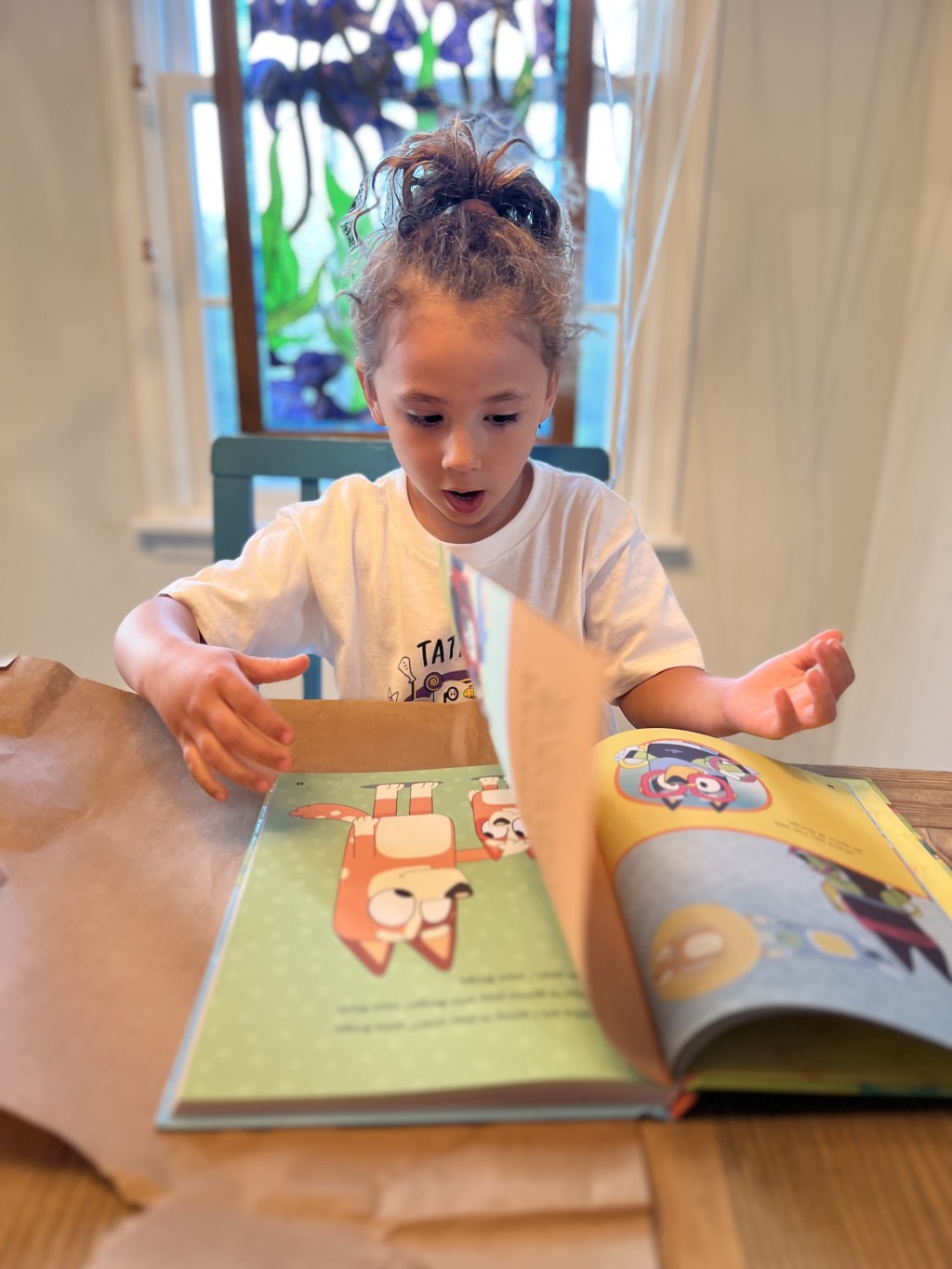
The good news is that this does not need to be complicated. In fact, it should not be complicated. Ten to twenty minutes of reading. Ten or so math problems. Practicing facts in the car. Writing a postcard to a grandparent. Reading a recipe. Keeping a summer journal. Playing a strategy game. Listening to an audiobook on the way to the beach and talking about the characters.
These are small moments, but small moments repeated over time are exactly how brains build stronger pathways.
However, I want to be very clear: summer work is not the whole story of a healthy summer.
Summer is one of the few times children can have long stretches of time that are not fully directed by adults. That time is not wasted. It is where creativity grows. It is where resilience grows. It is where children learn what to do when they are bored, how to manage small conflicts, and how to entertain themselves without immediately reaching for a screen.
So, yes, we want children to do their summer work. And yes, we want them to put it away and go outside. We want both.
We want them reading enough to keep fluency strong and playing enough to keep childhood joyful. We want them practicing math facts enough to keep recall quick and building forts enough to keep imagination alive. We want them writing enough to keep ideas flowing and resting enough to return to school emotionally ready for a new year.
That is the balance.
So when the summer work comes home, I hope you will see it not as one more thing on the family to-do list, but as a small investment. A few minutes at a time. A few days a week. Enough to keep the pathways active. Enough to remind your child, “You know how to do this.” Enough to make the return to school feel less like starting over and more like stepping forward.
And then, please, send them outside. Because the goal is not to create a summer of worksheets. The goal is to grow children who are confident, curious, rested, capable, and ready.
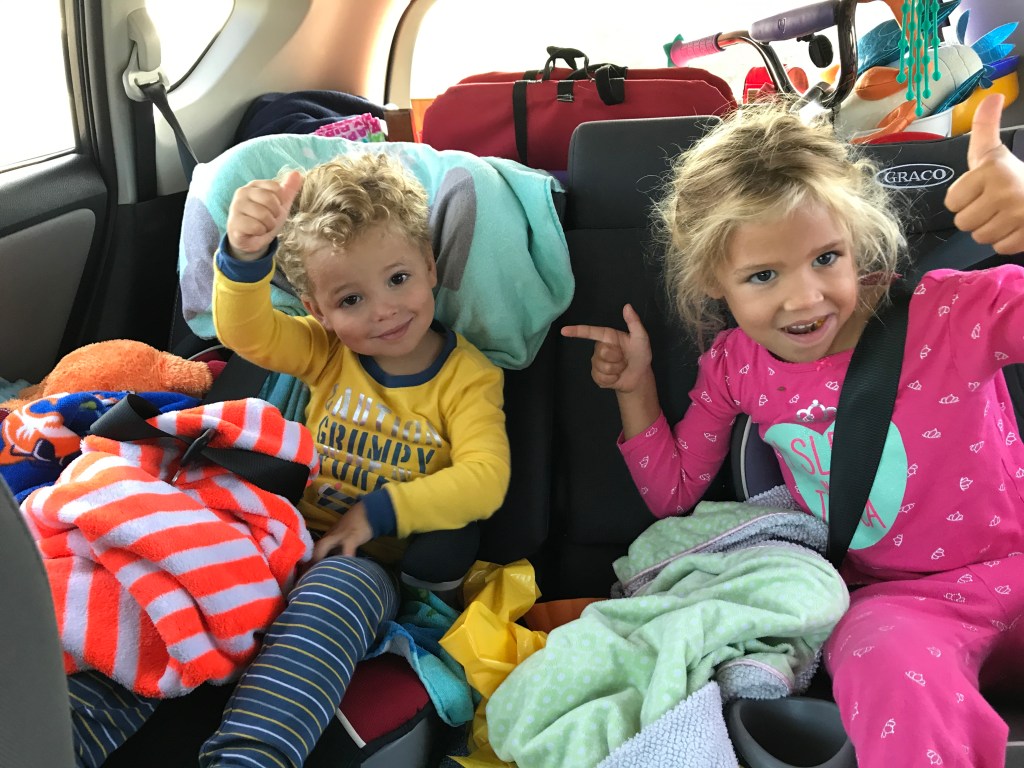
And if their brains happen to get a little more myelinated somewhere between the popsicles, pool towels, and “Mom, I’m bored,” well, that is a pretty good summer after all.



Leave a Reply