I don’t know about your house, but in mine, the Amazon delivery driver might as well be a member of the family. My children have grown up in a world where just about anything they can imagine can arrive on our doorstep in a day or two. Sometimes even before dinner. They know how to search for products, compare prices, read reviews, and, perhaps most impressively, find things they didn’t even know they needed.
Our children are growing up to be remarkably sophisticated consumers. But how often do they have the opportunity to be the creators?
It is a question worth asking, particularly as we think about the skills children will need in a world that is changing faster than any of us can predict.
Research on authentic, project-based learning suggests that when children solve meaningful problems, make decisions, collaborate, and create something for a real audience, they develop skills that extend far beyond any one academic subject. They practice flexible thinking, communication, and perseverance. Perhaps most importantly, they develop a sense of agency, the belief that their ideas and actions can make a difference.
At Tatnall, we have been intentional about building these opportunities into our Lower School experience through an evolving arc of entrepreneurship.
In third grade, students participate in Mini-Society, creating their own economy, complete with currency, jobs, and businesses. Suddenly, mathematical concepts have a purpose, decisions have consequences, and the idea that money is something to earn, manage, and thoughtfully spend becomes much more concrete.
By fourth grade, the stakes get a little more real. Students move from participating in a classroom economy to developing products for an actual marketplace. What would someone want to buy? What does it cost to make? How should we price it? And perhaps the hardest question of all, what happens when our first idea doesn’t work?
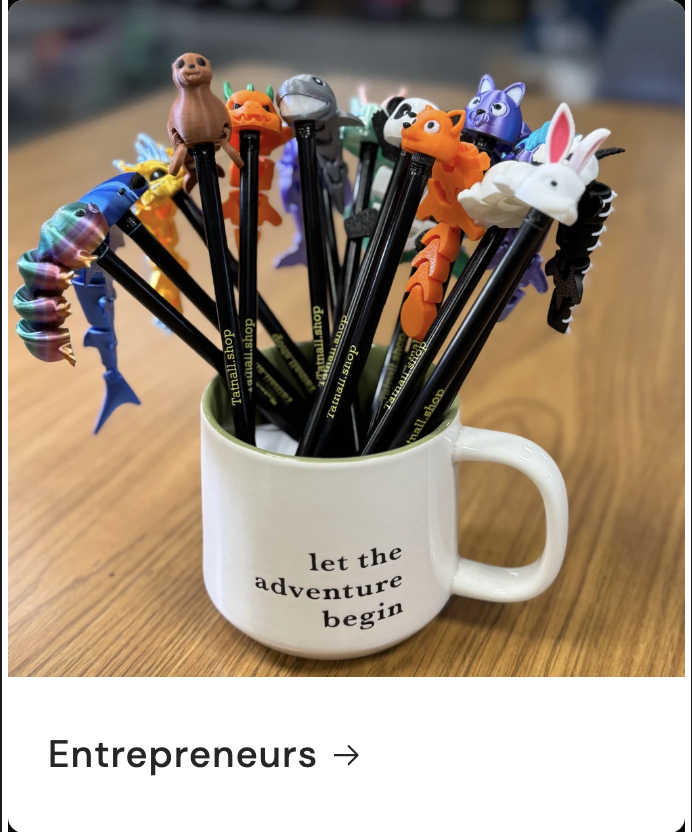
These are remarkably sophisticated questions for nine- and ten-year-olds. And this year, those questions have led to something particularly exciting: Tatnall.Shop
Our fourth graders are designing and creating products that people can actually purchase. From 3D-printed creations to imaginative accessories, their ideas are moving beyond the classroom walls and into the real world.
I love this for so many reasons, but perhaps my favorite is what happens when the audience for a child’s work becomes real. Suddenly, the details matter a little more. Quality matters. Problem-solving matters. There is a difference between completing an assignment because your teacher asked you to and creating something that someone else might choose to purchase.
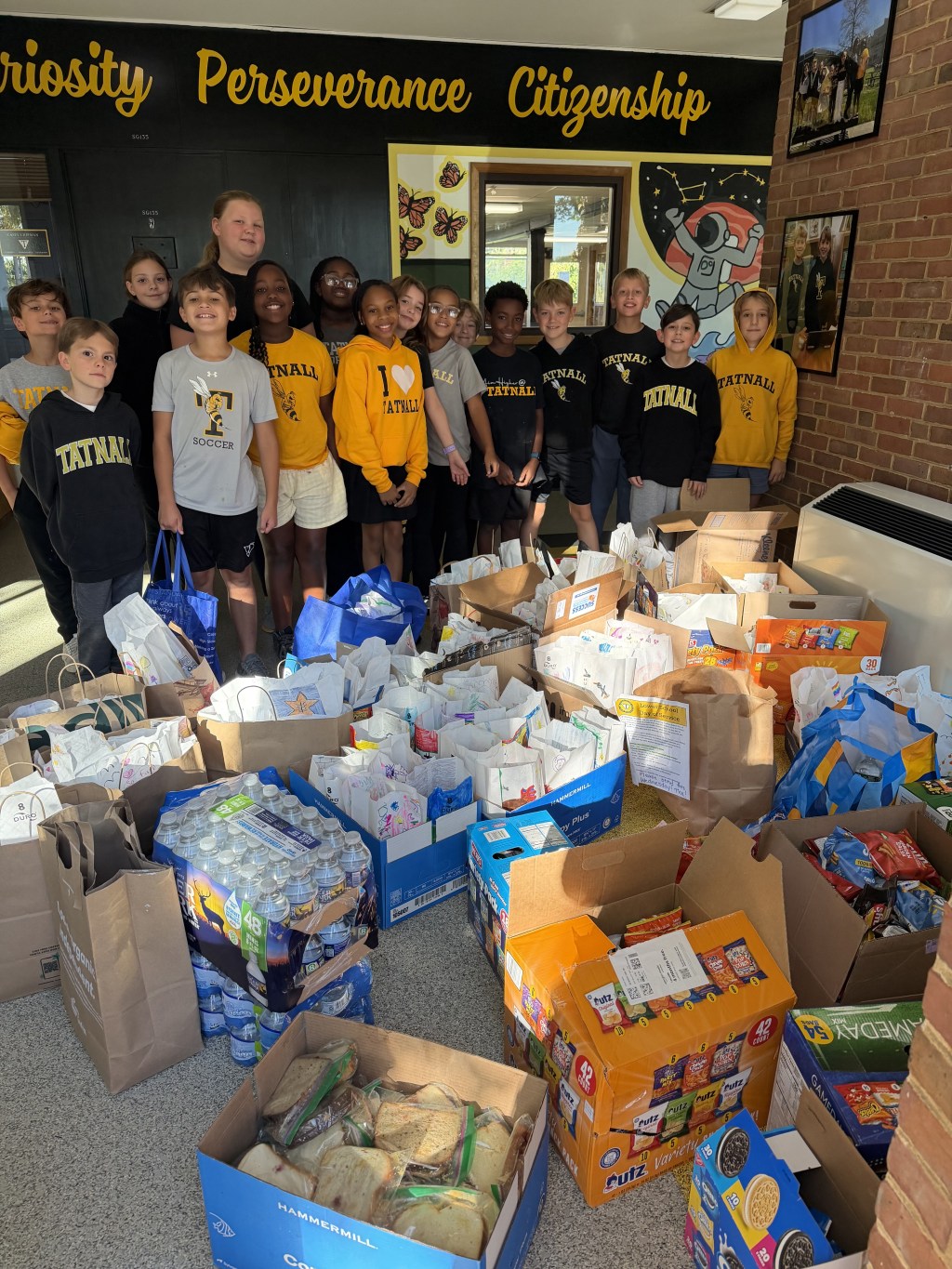
In fifth grade, students bring many of these same skills to the Bake Shop, calculating costs, producing baked goods, managing sales, and donating proceeds to a charity they select. The experience adds another important dimension: understanding that the skills we develop can benefit others.
That progression, from understanding an economy, to becoming a creator, to using entrepreneurial skills in service of others, is intentional. Each experience builds independence, responsibility, and confidence.
And isn’t that what we ultimately want for our children?
We want them to know their multiplication facts and write compelling paragraphs. But we also want them to have the confidence to try something new, the perseverance to work through something difficult, and the courage to put an idea into the world.
As we head into Thanksgiving, I find myself especially grateful for the teachers who create these opportunities and the children who continually remind us what they are capable of when we give them meaningful challenges and the support to meet them.
I hope you’ll visit Tatnall.shop and see what our young entrepreneurs have been creating. You might even find a little something for someone on your holiday shopping list.
But more than anything, I hope you’ll see what I see when I look at those products. Not simply something made by a child, but a child who had an idea, worked through the challenges, and brought that idea to life.
Because long after the product is sold, the most valuable thing our children will carry forward isn’t what they made. It’s the belief that they can.



Leave a Reply