I saw a funny post the other night about the twelve seasons of the Philadelphia area. According to the internet, we are currently somewhere between the Spring of Deception and Third Winter. That felt about right. We sure did have a lovely three days of fake spring, though, and I hope you took the opportunity to get yourselves and your children outside as we did.
One of those afternoons, I met up with a friend who also has a first-grade daughter at the Kennett Creamery. It was one of those parenting moments that just felt good. The girls ran around confidently, petted dogs, met new friends, made up games, and stopped for water and food when they needed to. They looked capable and free in the best kind of way. As I watched them, I had one of those rare moments where I thought, maybe I am actually doing this right.
It also felt like I was finally putting into practice the advice of Jonathan Haidt and Angela Hanscom around independence, safe risk-taking, and giving children more freedom. Watching them play reminded me that I tend to lean into all of this even more when a long school break is looming and the weather is warming up. After all, when we are staring down sixteen uninterrupted days with our children, one question quickly rises to the top: how exactly are we going to fill the time? One very solid answer is this. We send them outside.
Angela Hanscom, author of Balanced and Barefoot, says it best: unrestricted outdoor play helps build strong, confident, and capable children. I believe that. The harder part, at least for me, is not believing it, but actually getting my children outside and keeping them there long enough for the magic to happen.
Hanscom offers a few helpful ideas for moving kids beyond that first wave of outdoor boredom, which, importantly, is not a problem to fix too quickly. Boredom is often the doorway to creativity, problem-solving, and deeper play.
First, give children space. Just like adults, children need room to stretch and grow. Loosen the reins a bit and step back. Depending on age and readiness, that space might be a backyard, a park, a patch of woods, or eventually even the neighborhood. These places should first be explored with an adult, but over time, they can become spaces children learn to navigate on their own or with a friend.
Second, give children time. Real play takes time to unfold. Hanscom notes that children often need long stretches of unscheduled outdoor time, sometimes two to three hours, and that it can take up to forty-five minutes for them to move into deeper, more purposeful play. That is usually right around the time many of us are tempted to call them back inside, offer a snack, or suggest an organized activity. In other words, sometimes the best thing we can do is to wait a little longer.
Third, bring friends into the picture. Children make each other braver. A pair or small group often sparks imagination, adventure, and just enough courage to try something new. Schedule the all-day playdate. Let neighborhood kids gather. Hanscom even suggests creating an “open house” kind of policy once in a while, where friends are welcome to come and go without every moment being scheduled in advance. It feels a little old school, and maybe that is exactly the point.
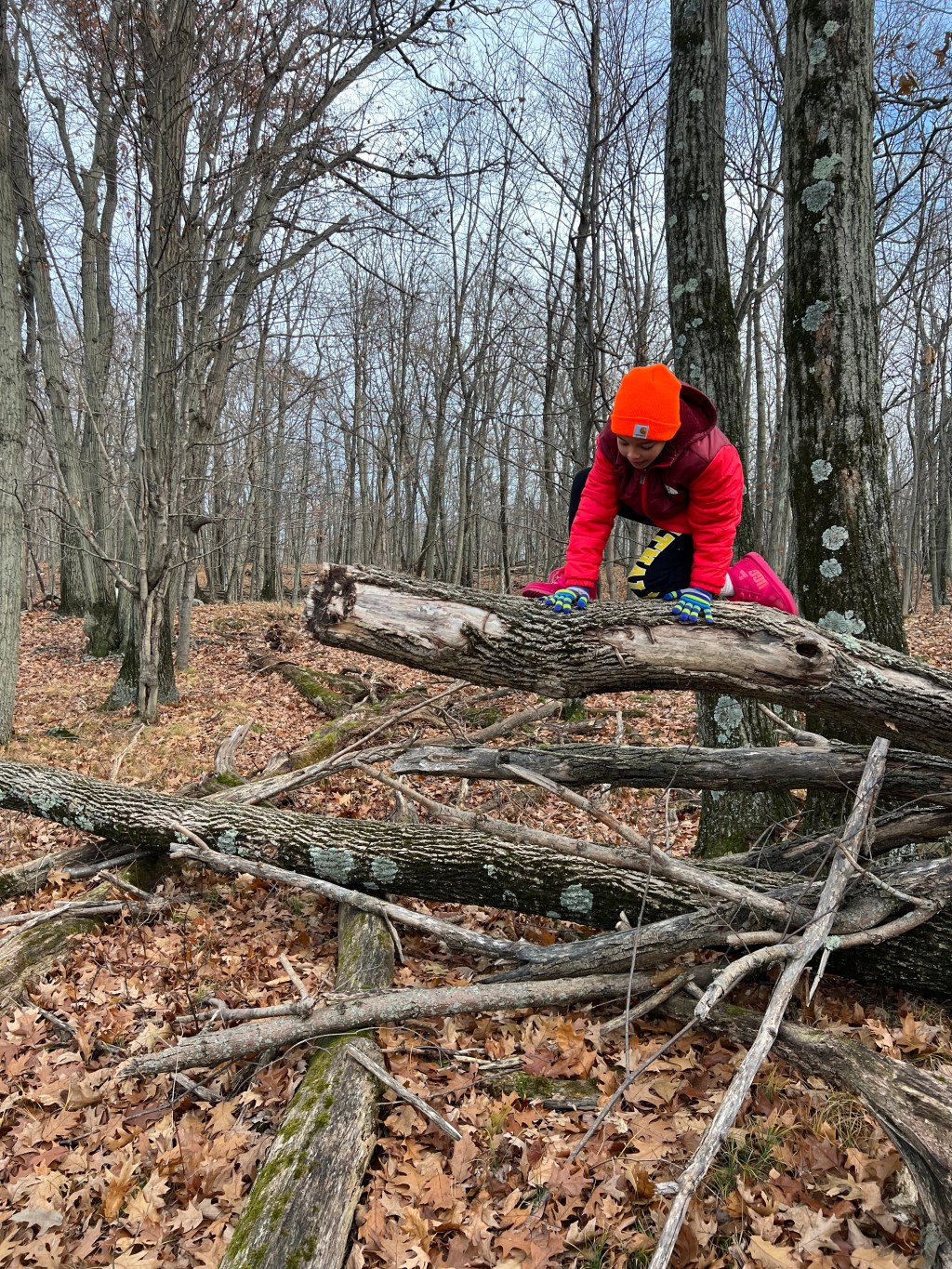
Finally, use the environment as inspiration. Streams, mud, sticks, rocks, woods, and open fields offer endless possibilities. Nature does not need much from us. It is already filled with loose parts and invitations to create, build, climb, imagine, and explore.
This spring break, give it a try, even if only for one day. The goal is not to send your child from the couch to complete independence in a single afternoon. That takes time. Starting small still counts. A little more freedom, a little more boredom, a little more fresh air, and a little less hovering can go a long way.
In the best case, your children build confidence, creativity, and resilience. Worst case, they come back muddy, starving, and suddenly very appreciative of your snacks. Honestly, that still feels like a parenting win.


 Home
Home 
Leave a comment