Last night I had the pleasure of attending the Tatnall Continuum. Mr. Scott shared something that has stayed with him for years: as an educator, you can choose to be an advocate, a mentor, or a champion for your students. I loved that idea and woke up still trying to place certain students I have worked with into each category. Then breakfast happened, morning routines happened, and I began to wonder which role I am for each of my own children.
An advocate speaks up and takes action to make sure a child gets what they need and is treated fairly. The goal is protection. A mentor guides growth by teaching, coaching, and sharing experience over time. The goal is building skills and confidence. A champion actively believes in a child and backs them, using influence to open doors and build momentum. The goal is lift.
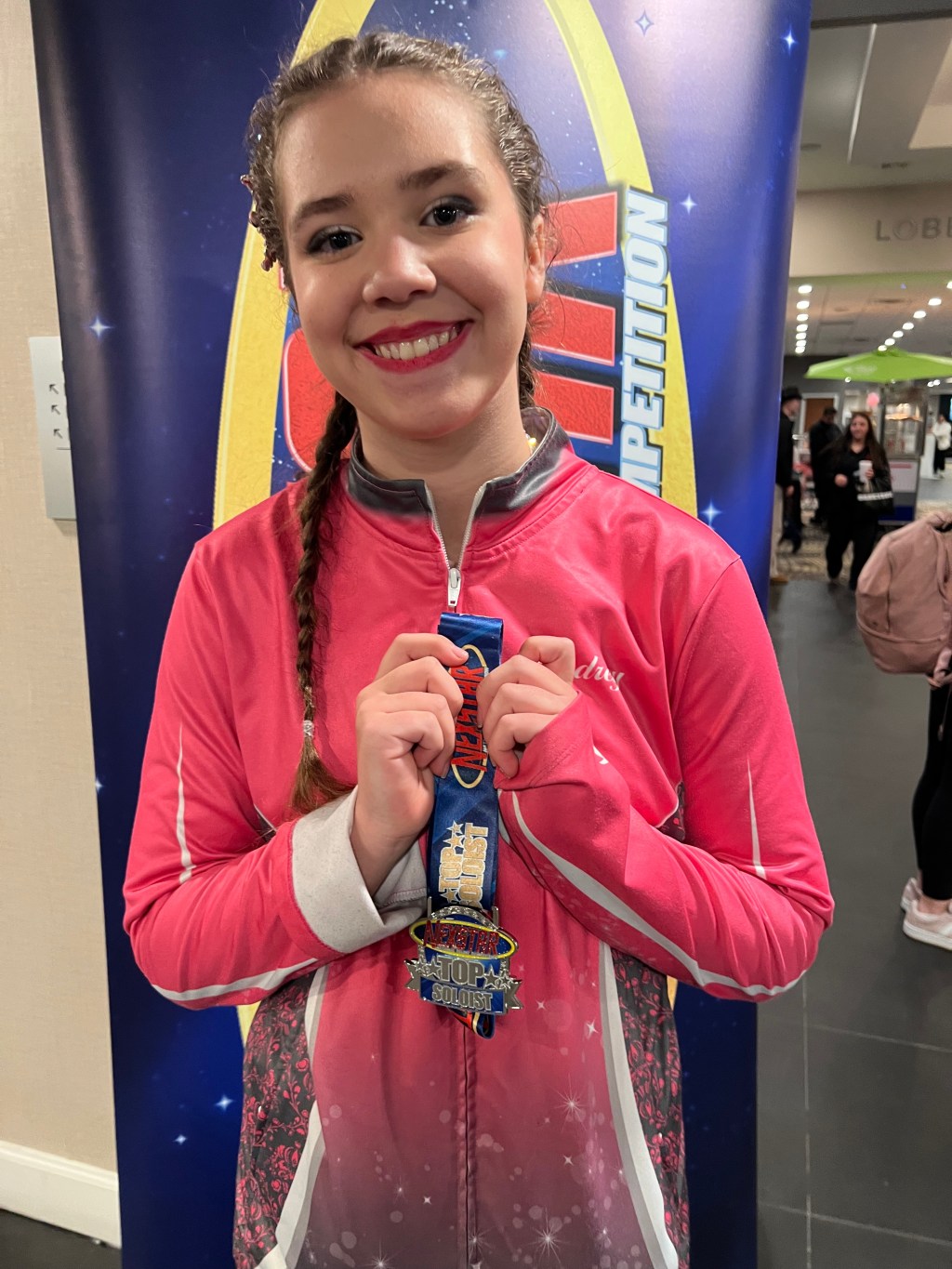
I think most of us want to be champions for our children. We want to name their strengths, connect them with opportunities, and mean it when we say, “I see you.” But as parents, we cannot always champion in the same way teachers, coaches, and other trusted adults can. We are too close.
Advocacy and mentorship, though, are the parenting defaults. I live in a constant state of advocate mode. It is easy to flip into respectful mother-bear energy when something feels unfair or a need is not being met. Mentorship is constant, too. We remind them that if they want to get better at a sport, they need to practice a little every day. If they don’t understand the homework, we encourage them to talk to the teacher. We teach them that when someone walks into a room, it is respectful to look them in the eye and greet them. As our children grow, mentorship should take more of the lead because the goal is independence.
So what does an appropriate parenting championship look like? I do not think it is creating an advantage or forcing a spotlight. It is not volunteering to coach a more advanced team just to open that door for your child. Instead, it looks like naming your child’s strengths out loud to them and also, thoughtfully, to the adults who support them. For example, she is quiet at first, but once she trusts the people around her, she becomes a leader. It looks like being a bridge builder. You might introduce your child to the new coach or teacher and invite them to share feedback on where your child can contribute most. It is celebrating progress publicly, but coaching privately, and only if they are not already getting plenty of feedback from a coach or teacher. Teach them how to talk about themselves so advocacy can slowly move from your job to theirs. Help them find their people.
Maybe the best kind of championship is not leading the parade. Maybe it is standing nearby, steady and proud, while your child walks forward under their own power. And if you are wondering which role you are today, you are not alone. Some days you are a mentor. Some days you are an advocate. Some days you are a champion. And some days you are just trying to find the missing water bottle while saying “I see you” before the coffee even kicks in.




 Home
Home 
Leave a comment