Last night my husband looked at me and asked, “What time do we have to pick up our oldest daughter?”
I glanced at the clock and panicked. We were both standing in the kitchen at 8:30. If we were supposed to pick her up from dance, we were already 30 minutes late… and we live 30 minutes away. I was already mentally drafting the apology text to the instructor and preparing my “I’m usually a very responsible adult” face.
Then it hit me.
She was upstairs. In her bedroom. At home. Where she lives.
I just stood there for a second, blinking, wondering when the switch flipped from: “But mommy, I just love you and want to be with you ALL. OF. THE. TIME.” to this quiet, stealthy detachment that apparently comes with preteenhood.
I also wondered which I actually longed for more… the breathing room from my oldest or the suffocation of my youngest. But that’s probably a self-help blog, not a parenting one. 🙂
This morning, I did what any calm, well-rested parent would do: I spiraled into adolescent social development research to see if I could pinpoint the timeline of “The Great Shift.”
Turns out, the research points to that 10–12 year-old window.
So, fifth grade parents: pay attention.
Fourth grade parents: your breathing room is coming.
And K–3 parents: hold on tight. Soon they’ll be giving you more space than you are emotionally prepared for.
Here’s the (brief-ish) version of what the research tells us.
Childhood friendships: adult-supported and “close enough”
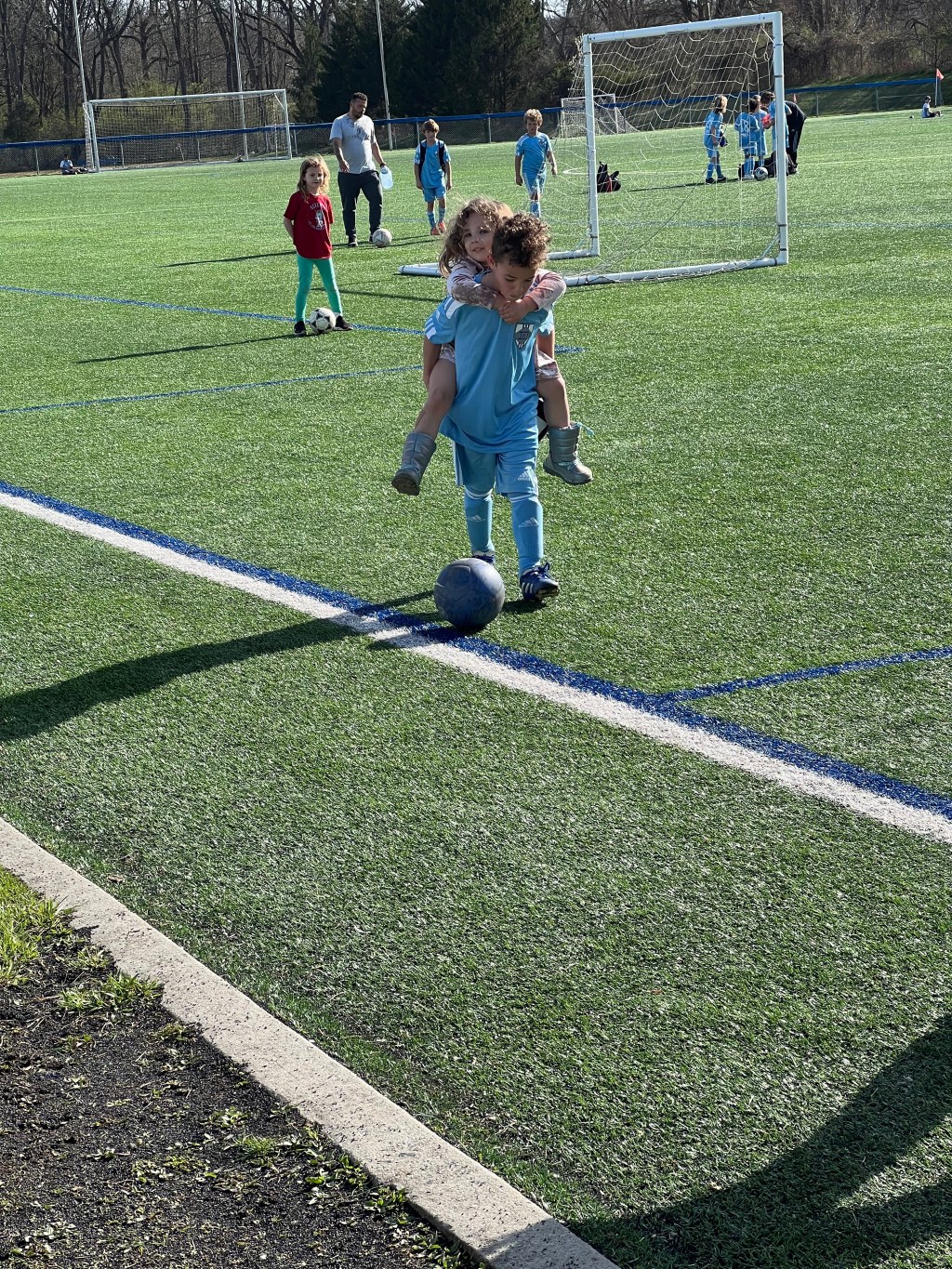
When kids are little, their friendships are often arranged and supported by adults. We set up playdates. We sign them up for soccer. We put them in the same class and hope it sticks. Much of their social world happens because we build the scaffolding.
Around age 6, peers start to matter more, and kids begin noticing social status and hierarchy (who’s “in,” who gets picked first, who seems to have the invisible crown at recess). By about 7, self-esteem becomes closely tied to how competent kids feel and how they think they rank in their peer group.
At this stage, kids are still fairly self-centered and not always tuned into other people’s experiences. (If you’ve ever watched two second graders argue about whose turn it is while ignoring the fact that the game is no longer a game, you know exactly what I mean.)
Gradually, though, they start learning the give-and-take of friendship. They begin to understand that relationships require compromise, repair, and shared joy, not just “I want what I want right now.” And little by little, their attachment shifts. Not away from parents entirely, but toward peers in a new and noticeable way.
Preadolescence: “I need you less… and I need you differently”
Then comes that 10–12 year-old window, where social development takes a real leap.
Kids gain a clearer understanding of emotions and emotional nuance. They get better at seeing conflicting viewpoints and tolerating mixed feelings (ambivalence). Their self-control improves. They become more capable of accurate self-appraisal, which means they start noticing their strengths and weaknesses more clearly.
All of this is to say: in some ways, they truly do need us less day-to-day. They can self-assess more. They seek peers more. And they rely more heavily on friends for social comparison, companionship, validation, corrective feedback, and emotional support.
We might get the eye roll, but their friends get the heartfelt, “You’re so right.”
(Which is humbling, but also… fair. I, too, remember thinking my friends were basically philosophers at age 11.)
So… am I destined to be alone in the kitchen?
Is this it? Am I destined to stand in a quiet kitchen someday, staring at the clock, forgetting where my child is because the house is suddenly too peaceful?
The answer is yes… if I let it.
Because here’s the part that matters most: research suggests that adolescents who spend more than an hour a day with their parents report more perceived support and lower levels of risk behavior and susceptibility to peer pressure.
In other words, they may pull away, but they still need us. A lot. Just not always in the ways we’re used to.
So yes, give them the space they need to grow, but don’t let that space turn into distance. Keep inviting them in. Keep showing up. Keep creating the moments, even when they act like they could not possibly be less interested.
Force the time together.
Grin through the eye rolls.
Don’t stop trying.
And for those of us currently suffocating under the weight of “Mom. Mom. Mom. Mom. MOMMMMM,” the research also delivers a strangely comforting message:
This too shall pass.
One day you’ll be washing dishes and panic that you forgot to pick up your child… because the house is so quiet you can’t remember where they are.
And then you’ll laugh (a little), feel a tiny ache in your chest (a lot), and probably wander upstairs just to “check something” near their room.
Because even when they start giving us space, we never really stop looking for them.






 Home
Home 
Leave a comment