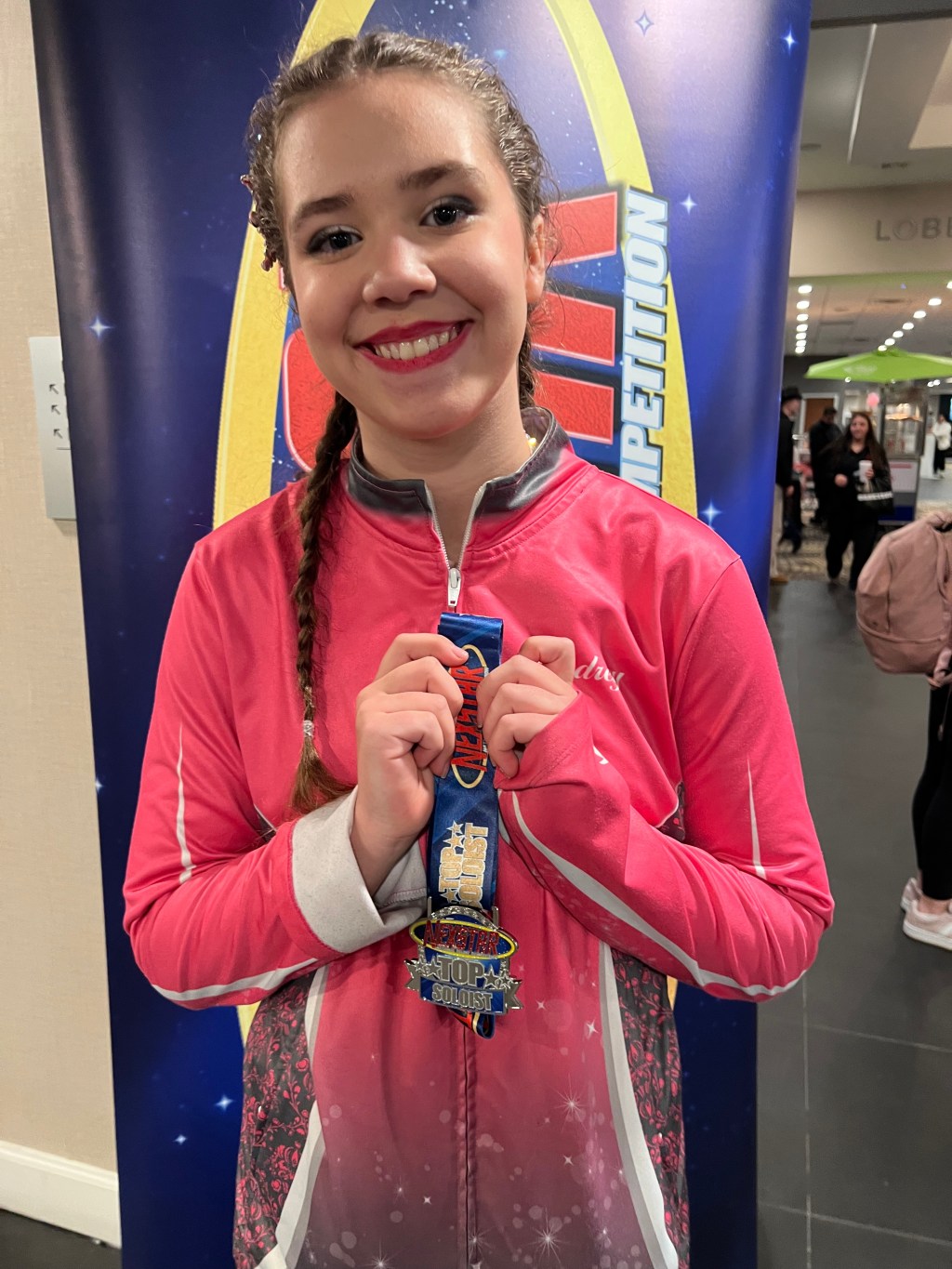
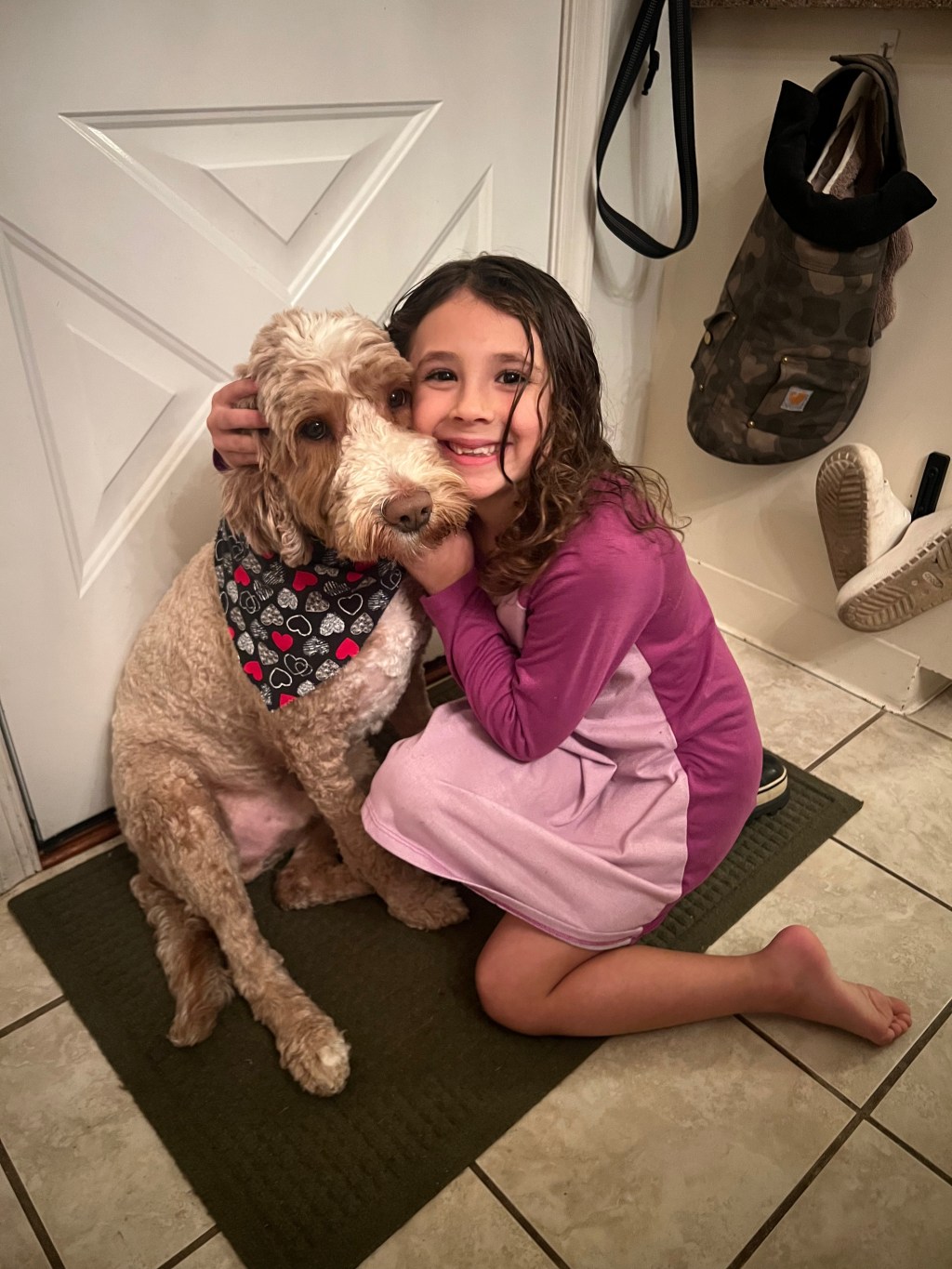
Taylor Swift once described Travis Kelce as a human exclamation point. I would use the same description for my middle sister, both as a child and, if I am honest, still today. She was loud, joyful, dramatic with her arm movements, and impulse control was not her strongest skill.
I remember one time my youngest sister and I decided to test just how little impulse control she had. We set a bowl of candy on the table and placed one lonely piece right in front of her. We told her she could eat the single piece now, or if she could wait one minute, the whole bowl would be hers. I have no idea where our parents were during this important “scientific experiment” or why we thought this particular form of sibling torture was necessary. She lasted five seconds before gobbling up the single piece, and ten seconds before lunging across the table for the rest. Experiment complete: no impulse control.
When we think about impulse control, we often imagine moments like that, or the child who cannot resist blurting out in class, breaking into dance at the wrong time, or sprinting into the street after a ball. These behaviors tie back to inhibition, which is the ability to stop ourselves from doing something automatic and to ignore distractions that do not matter.
Researchers sort inhibition into two types:
- Response inhibition is the “hot” skill with social implications, like resisting the urge to grab the candy.
- Cognitive inhibition is the “cool” skill that happens in our minds, like filtering out irrelevant details so we can focus on what matters.
In school, both are essential. Response inhibition helps students sit still, raise their hands, and stay with the group. Cognitive inhibition is critical for reading comprehension. It allows children to resist guessing a word too quickly, stay on track while building meaning from text, and sort through multiple possible definitions of a word. Without it, readers can get stuck chasing mental “rabbit holes” that do not lead anywhere.
The good news is that, just like math facts and soccer drills, inhibition skills can be strengthened with practice. Here are a few playful ways to build them at home:
- Play Simon Says to strengthen self-control.
- Try “Opposite” games. If you say “touch your head,” they touch their toes. If you clap twice, they clap once. The faster they can do the opposite, the stronger their inhibition skills.
- Walk the line. Have your child walk along a strip of painter’s tape quickly, then slowly and carefully, switching gears on command.
- For older children. Play word games like Taboo, preview tricky vocabulary before reading, and talk through words with multiple meanings (like difference in math versus in everyday conversation).
So, if you have a child who might also be a human exclamation point, take heart. With a little practice, they can strengthen both their response and cognitive inhibitions and still hold onto all that joy, energy, and personality. After all, the world needs exclamation points. Without them, everything would sound like a period.





 Home
Home 
Leave a comment