Last week, one of my children, who shall remain nameless, had a full-on meltdown that ended with him declaring, “I’m going to fail, be held back, and become the oldest person in my grade!”
The cause of this tragedy? He had forgotten most of the materials he needed to complete his homework in his locker. In his rush to juggle changing classes, remembering supplies, and squeezing in a little social time (priorities!), he hadn’t yet built an organization system that worked for him. If executive skills are the conductor of the orchestra, his conductor had taken a sick day.
He didn’t have a plan. He couldn’t manage his emotions. His sense of time was nowhere to be found. Meanwhile, I was standing there, watching him fall apart, trying to decide: do I rescue him quickly, or do I let him learn to climb out of this hole on his own?
Spoiler alert: I swooped. I drove him back to school to gather his materials, and then I consulted the research.
So, what exactly are these elusive executive skills?
Executive skills are the cognitive processes that include cognitive flexibility, working memory, and self-control. They’re often used interchangeably with “organization” or “self-control.” Research shows that early versions of these skills begin around 6 months of age, but they take about 25 years to develop fully.
Twenty-five years. I don’t know about you, but I’m not sure I have that kind of patience.
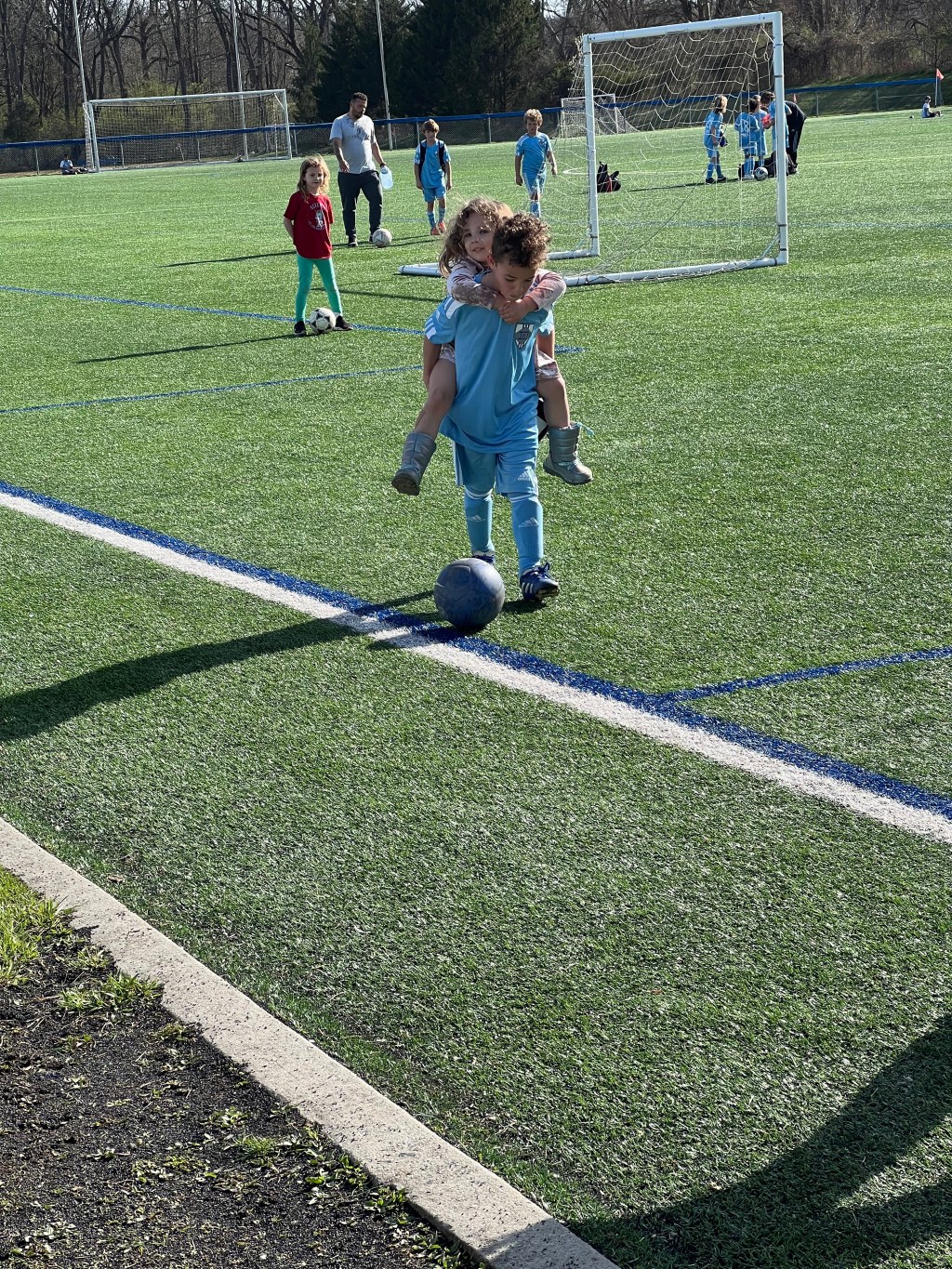
So what’s the solution? According to Dawson, Guare, and Guare, authors of Smart but Scattered, we “lend them our frontal lobes.” Wait, what?!
Here’s what that means:
From the moment our toddlers first insist, “No! I do it myself,” we start very slowly handing over the reins. But because executive skills take decades to mature, kids and teens need us to strike a balance: give them freedom to try (and sometimes fail), while still stepping in with enough supervision to prevent catastrophe.
During these “frontal lobe lending years,” here are a few strategies Dawson et al. recommend:
- Model strong executive skills yourself. Kids imitate us. If we want them to clean up, manage their time, or put their phones down when friends are around, they need to see us doing the same.
- Stick to routines and schedules. Routines teach planning, organization, and follow-through. Plus, they provide comfort and predictability for kids who are still wiring up those brain pathways.
- Stay engaged with their world. Show interest in what excites them and help them build on those interests. Your attention tells them their effort matters.
- Set boundaries. Rules and limits aren’t about control. They’re about lending your frontal lobe so their mistakes don’t become catastrophic ones.
When we consistently model, set routines, show interest, and enforce boundaries, our children gradually internalize these supports as their own inner voice. The voice that reminds them to put their math packet in their binder instead of crumpling it at the bottom of their locker… or, later on, the one that reminds them not to check their phone while driving.
And if you’re using these tools but still finding your child really struggling, that’s okay too. Sometimes kids need extra scaffolding or professional support, and reaching out for that help is not only normal but wise. Parenting is hard enough. We don’t have to do it alone.
So, back to my nameless child and his meltdown. With a little “frontal lobe lending,” he managed to finish his homework, re-stock his binder, and come up with a new plan for organizing his materials.
Did he still forget something the next day? Of course. But progress is progress, and at this rate, by the time he’s 25, he might just have a color-coded Google calendar, a clean car, and maybe even a filing system that actually works.







 Home
Home 
Leave a comment