We’ve all seen it—or maybe even been that student—head on the desk, dragging a pencil across the page, too tired to hold their head up, hand cramping, just trying to finish. For most of us, this was a rare moment, maybe because we were coming down with something, the assignment was unusually long, or we were just having an off day.
But what if this isn’t an exception for your child? What if you’re seeing it regularly? Are they sick every day? Probably not. Are all their assignments too long? Unlikely, especially if other students in the class aren’t slumping over. So, what could be the cause?
Most likely, your child needs to strengthen their core muscles.
Why Core Muscles Matter
Core muscles are the muscles in the middle of the body that help us stay upright while standing and sitting. Many people don’t realize that these muscles also play a huge role in handwriting and the stamina needed to complete written tasks.
According to the website Occupational Therapy: Helping Children, signs of a weak core include:
- Slouching while writing, often using the chair to support their entire body
- Holding their head up with their non-writing hand
- Leaning far into the table to stay upright
- Frequently moving around in their seat
- Fatiguing easily and needing frequent breaks during writing or physical activities
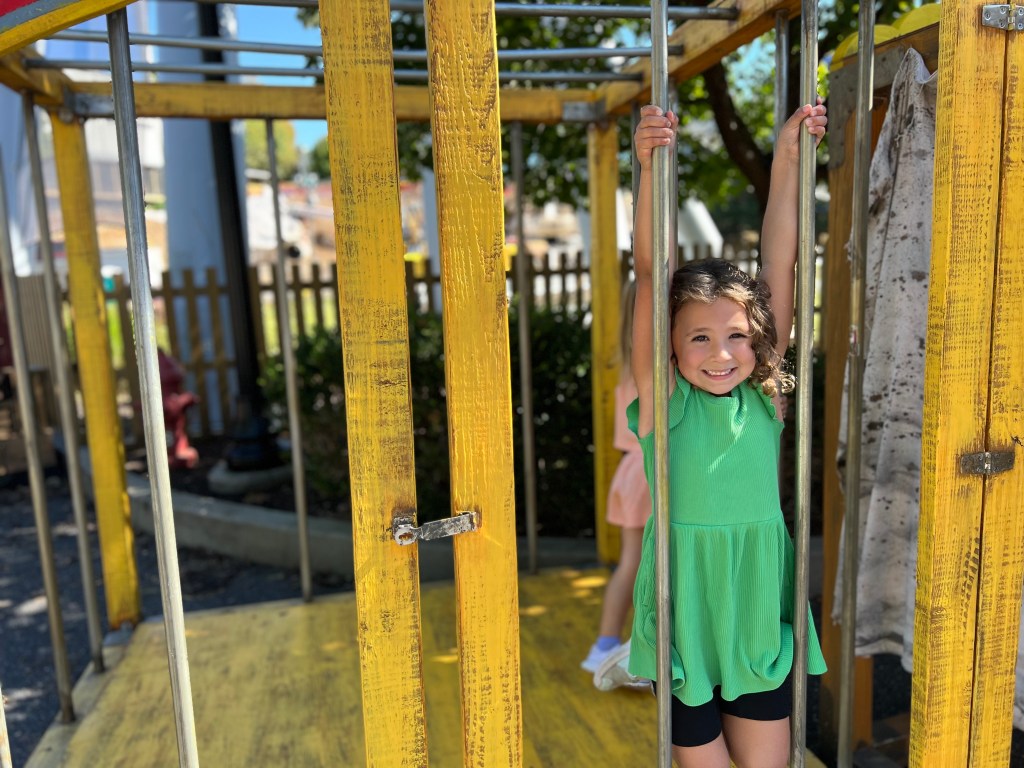
- Difficulty with playground equipment like slides, poles, swings, and see-saws
- Struggling to get up and down from the ground
- Avoiding rough-and-tumble play
We all want our children to sit upright and focus without tipping over or rolling around on the rug, but this is bigger than even that! When core strength is weak, it affects the ability to use other muscles—especially the ones responsible for fine motor skills like handwriting. Weak core muscles can lead to poor endurance and precision in arms, hands, and fingers, which impacts schoolwork. When your child’s muscles are tired, it’s hard for them to concentrate on the cognitive task at hand. We want them to focus on what they’re writing, not wasting energy fighting fatigue.
How Can We Help Build Core Strength?
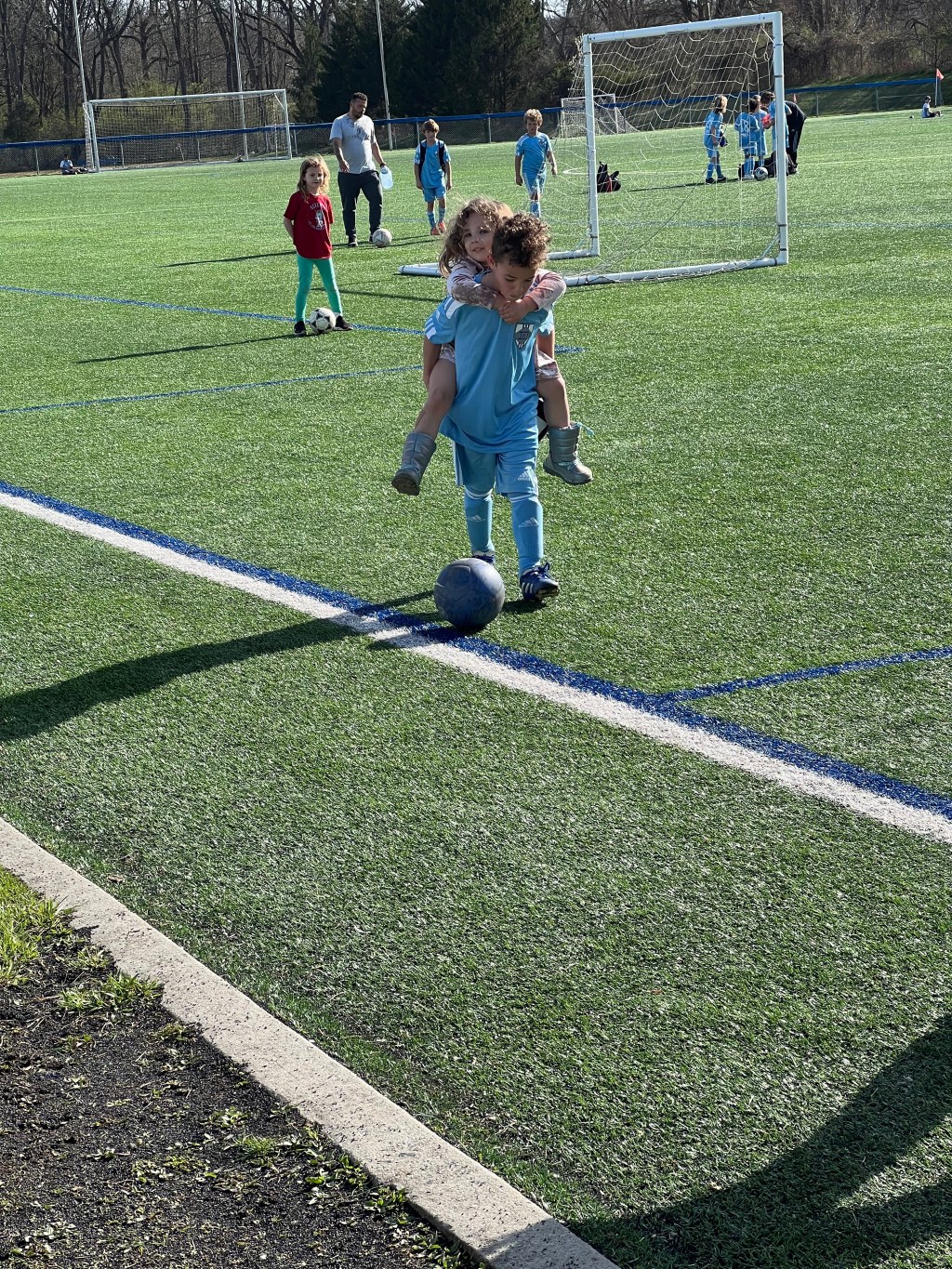
The best advice is simple: get them off screens and outside for unstructured play. Running, climbing, jumping, digging, and swinging are all fantastic ways to build core, arm, and hand strength. Encourage “big writing” by giving them a paintbrush and a bucket of water to write on the garage door or an easel with large paper. They can also play “animal walks”—pretend to be crabs, frogs, bears, worms, or kangaroos! These fun movements use the child’s body weight as resistance and help develop core strength.
Another great idea is having your child sit on a scooter and pull themselves across the driveway with their hands.
As kids grow, their core muscles need new challenges. It could mean playing the same games for longer periods, climbing higher, balancing on smaller objects, or lifting heavier items. Core strength isn’t just for athletes or older people fighting weight gain and joint pain (🫣)—it’s essential for kids’ success in school too!
By helping our children strengthen their core muscles, we’re setting them up for easier success, whether it’s on the playground, in the classroom, or beyond.



 Home
Home 
Leave a comment