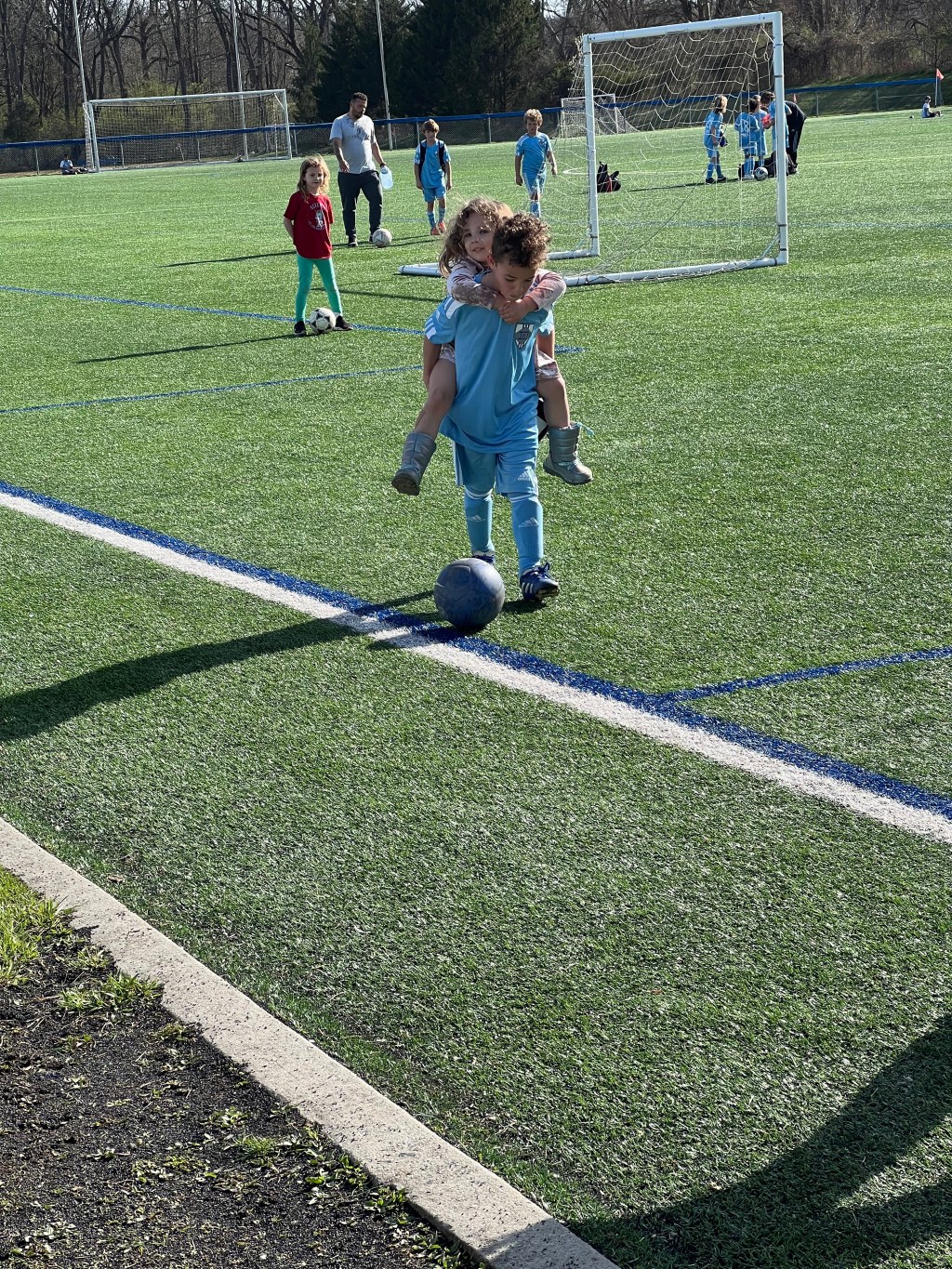
I find myself uniquely positioned at two ends of the elementary school experience. Lyla, my kindergartener, is our little Velcro—always close, always missing us. Nolan, my fifth grader, is more independent and barely able to separate from his friends. I remember when Nolan was more like Lyla. So, what changes over these six years? Let’s take a look at the incredible journey our children embark on during their time in elementary school.
Social Development
In kindergarten, children begin to move beyond the egocentrism typical of young children and start valuing relationships with their peers. Play becomes a vital tool for social development, helping them learn cooperation, sharing, and problem-solving skills. Friendships at this stage are fluid and are often based on shared play interests.
As children progress through elementary school, we see the emergence of peer group norms and status hierarchies. By third and fourth grade, they recognize the psychological intent behind others’ actions, such as realizing when someone is trying to provoke or comfort them. By fifth grade, they’ve developed a deeper understanding of emotional nuances in themselves and others, which can lead to those “down days” they might struggle to articulate.
Moral Development
Moral development takes root in kindergarten, where self-regulation, shaped by peer interactions, limits, and consistent parental guidance, begins to solidify. Early elementary-aged children aim to please. They look to their parents, teachers, and newly important friends to guide their moral development.
As children grow, their moral compass evolves. First and second-graders often focus on fairness and equal treatment for all. Their sense of justice shifts toward merit-based rewards by third and fourth grade. Finally, in fifth grade, they begin to balance the recognition of merit with the importance of kindness and empathy, understanding that fairness also involves compassion.
Sense of Self
In the early years of elementary school, children generally have high self-esteem, buoyed by a growing sense of competence, autonomy, and the ability to cope with challenges. As they move into first and second grade, their self-esteem begins to intertwine with how they fit into their peer group and their capacity for self-control.
As children progress through elementary school, their sense of self becomes increasingly influenced by peer opinions, often overshadowing those of their parents. The awareness of identity and peer pressure grows, leading to a more critical self-assessment. It’s not uncommon for children’s self-perception to shift and become more critical during these pre-adolescent years.
So, what does all this mean for us as parents? It means there’s a tremendous amount of typical social growth happening during these elementary years. It’s important, it’s healthy, and yes—it can be hard on us as parents. But remember, these changes are normal, and we’re all navigating them together.







 Home
Home 
Leave a comment