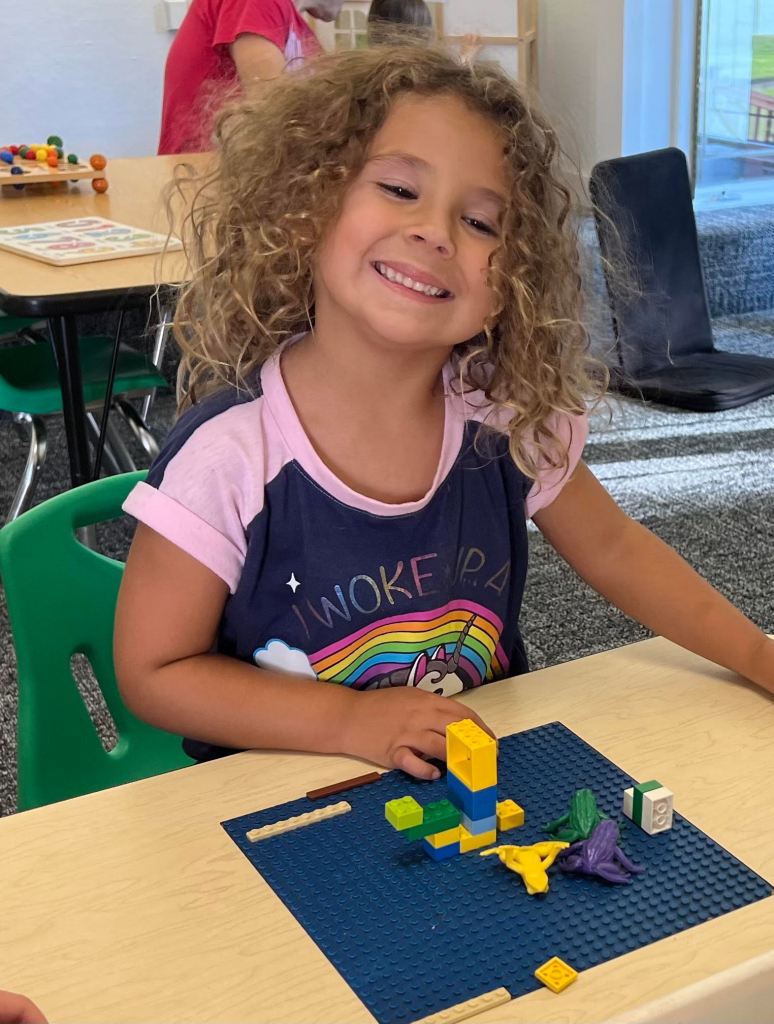
There are days that my four-year-old rolls out of the house in her PJs, in Halloween Costumes, in fancy party dresses, or with hair that honestly looks like it could nest a family of birds. She is living her best life, beating her own drum, and finding joy in every possible moment. Somewhere between four and nine, that changes. At nine, I am getting pressed for Jordans and Airs, smartwatches, and every baseball hat we walk past. Somewhere after nine, it starts to change even more, and I think middle schoolers might even lose themselves before they find themselves again. Gosh, it was hard to go through as a child, but it might be harder as a parent.
According to the fourth edition of Child Development: A Practitioner’s Guide by Davies and Troy, six to twelve-year-olds gradually see the world as a place with customs that must be learned and where the child must assimilate. The child shifts from seeing herself as the center of the world to realizing that the world is complex and that she must find her place in it. They go further to say that in middle childhood (elementary-aged children to puberty), children become more self-aware, reflect on their status in the group, and are increasingly aware of how others see them. In one heart-wrenching sentence, the authors say that the school-age child’s sense of self is based on comparisons with others.
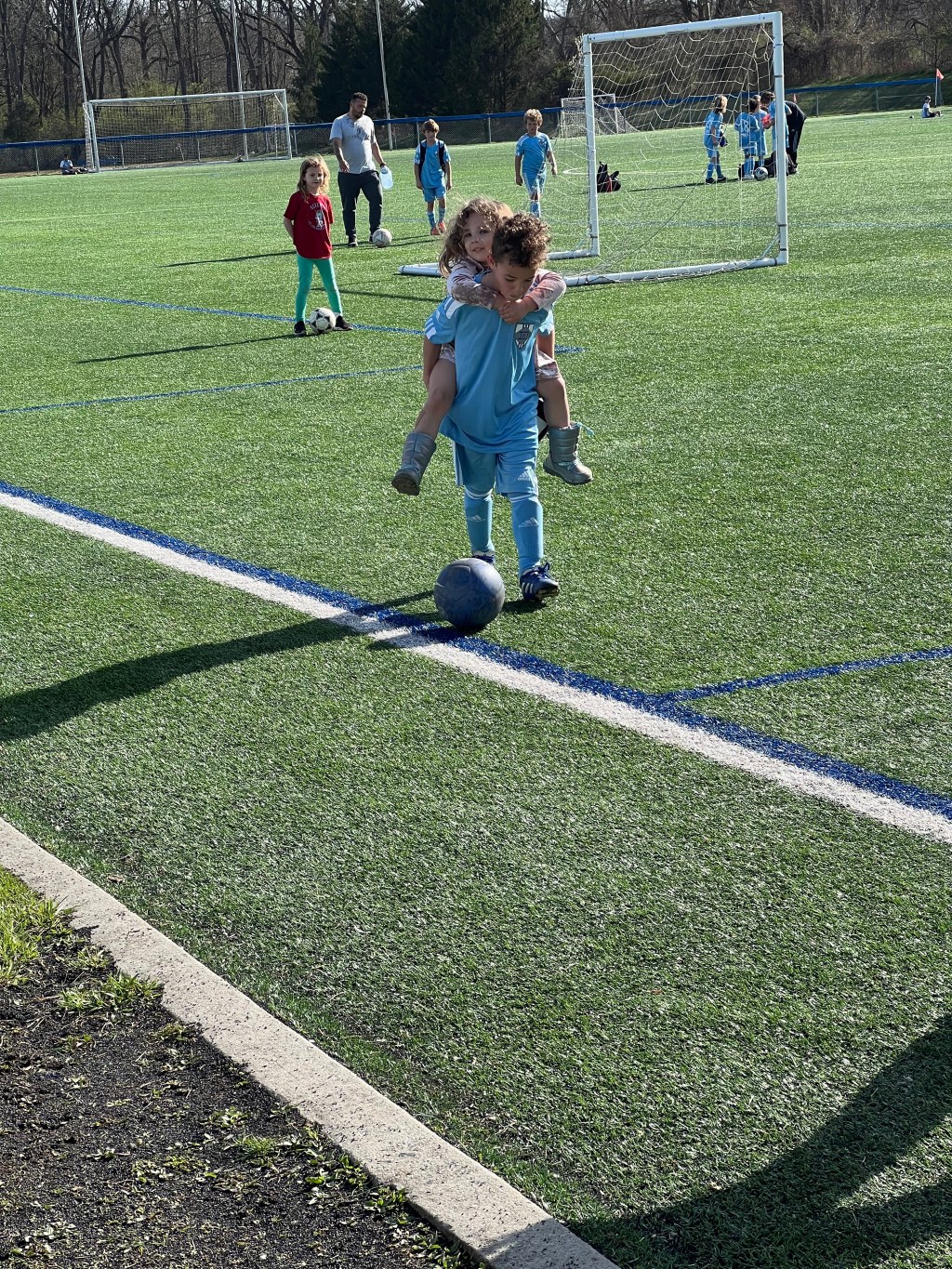
I don’t know if it is harder to feel like I am no longer the center of N and A’s world or to actually see it to be scientifically true. The good news is that science also shows that at this age, while a sense of self is tied to peers, motivation to achieve and a child’s self-esteem is still in our hands as parents. The authors recommend that we work to create a warm and supportive relationship with our children so that they ultimately identify us as the role models (and not the Kardashians), communicate (and expect) high but realistic and developmentally appropriate expectations (if you study really hard for your next several tests and your teachers share at conferences that you are working really hard in school, you can get new sneakers versus if you get 100% on every assignment from now until report cards, then you can get new sneakers), and provide approval for the child’s accomplishments and encourage realistic self-appraisal (Wow, your stamina seemed so much stronger this game, did it feel like you could run for longer? It looks like that extra practice you put in paid off! Quick! Pose! Let me take a picture so we can remember what hard work can get you!)
So, as you put your hand out of the car window for a final fist bump and you get the eye roll, or when your kid tells you you are not trying hard enough at “not being my mom while we are at school,” or when you know your beautiful middle schooler is spending far too long in front of that mirror, know that for this moment their peers’ opinions of them matters just a bit more. Also, know that our opinion of our children ultimately matters the most. Embarrass them a bit after that eye roll with a loud, “I love you!” Hug them even though you know they will pull away, and twin with your middle schooler so they know you see them for the beautiful, wonderful, “cool” person they are. The center of their world may not be you today, but you certainly can center their world when it is off-balance.






 Home
Home 
Leave a comment